News with Logic
The Sage Young Scholar Awards recognize outstanding achievements by young scholars who are early in their research careers. The awards are intended to provide these scholars with funds that can be flexibly applied in extending their work in new and

People are born with brains riddled with excess neural connections. Those are slowly pruned back until early childhood when, scientists thought, the brain’s structure becomes relatively stable.
Now a pair of studies, published in the Jan. 6, 2017
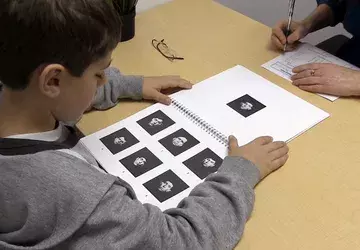
With age, a person’s social circles expand, so the ability to tell people apart—a cognitively difficult task—becomes more important. New research suggests that brain areas involved in recognizing faces grow as children develop and that the growth
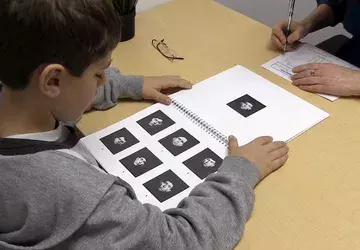
A comparison of kid brains and grownup brains may explain why our ability to recognize faces keeps getting better until about age 30.
Brain scans of 25 adults and 22 children showed that an area devoted to facial recognition keeps growing long after

Laura Carstensen is a professor psychology, the Fairleigh S. Dickinson Jr. Professor in Public Policy and founding director of the Stanford Center on Longevity. Her research addresses changes in motivation and emotion across adulthood and the ways